How to Start a Profitable Land Clearing Business Startup in 2025
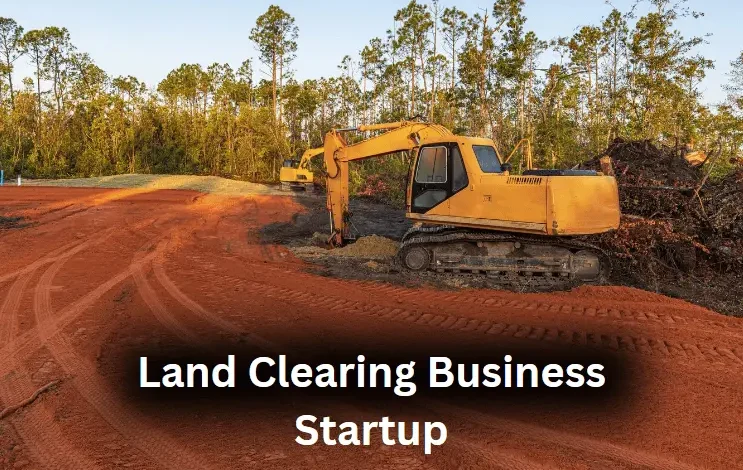

Trees, stumps, bushes, boulders, and other obstructions are removed by a land clearing business to make way for development. For tasks involving farming, landscaping, or construction, it’s an essential stage. Tree removal, stump grinding, brush clearance, and site grading are all included in land clearing business startup. These services provide a blank canvas on which to construct residences, businesses or agricultural areas.
Compared to other construction endeavors, this firm has inexpensive initial expenses, which attracts entrepreneurs. With rental equipment, you may begin small and expand as demand rises. Because there is a constant need for development and construction, the business offers stable employment. However, using the appropriate tools, controlling expenses, and comprehending regulations are necessary for success.
Why Start a Land Clearing Business in 2025?
The demand for land clearing services is growing in 2025. Urban expansion, housing developments, and infrastructure projects drive the need for cleared land. Here’s why starting a land clearing business is a smart move:
- High demand: Construction and agriculture sectors need cleared land regularly.
- Low entry barriers: You can start with minimal investment by renting equipment.
- Scalable business: Begin with small residential jobs and expand to commercial projects.
- Eco-friendly opportunities: Offer sustainable land clearing to attract environmentally conscious clients.
Starting small with brush clearing services or tree removal services lets you build skills and reputation before tackling larger projects.
Land Clearing Business Startup: Step-by-Step Guide
Starting a land clearing business startup requires careful planning. Follow these steps to launch successfully.
1. Research the Market
Know the market in your area. Do developers construct new residences? Is land being cleared by farmers for crops? Find out what land clearing services your competitors provide by researching them. Check their equipment, prices, and feedback from previous customers. Like small-scale land clearing or eco-friendly land clearing, this helps you identify a niche.
2. Create a Business Plan
A land clearing business plan outlines your goals, services, and budget. Include:
- Services offered (e.g., tree removal, stump grinding, site preparation).
- Target market (e.g., homeowners, developers, farmers).
- Startup costs (e.g., equipment, permits, insurance).
- Revenue goals and pricing strategy.
A solid plan attracts investors or lenders if you need funding.
3. Register Your Business
Decide on a name for your company and register it with your state. If necessary, obtain a contractor’s license. Permits from the Texas Commission on Environmental Quality (TCEQ) are required in certain states, such as Texas. For tax purposes, apply for an Employer Identification Number (EIN).
4. Get Insured
Insurance is essential. Obtain workers’ compensation insurance and general liability insurance to guard against mishaps. Damage to machinery is covered by equipment insurance. Depending on coverage, insurance costs should range from $2,000 to $5,000 per year.
5. Secure Financing
Estimate startup costs (around $5,800–$13,200, excluding equipment). Explore financing options like loans, grants, or equipment leasing. Renting equipment initially keeps costs low.
Land Clearing Services: What to Offer
Land clearing services vary based on client needs and project size. Here are common services to include:
- Tree Removal Services: Cutting down trees safely using chainsaws or heavy machinery.
- Stump Grinding Services: Removing tree stumps with grinders for a smooth surface.
- Brush Clearing Services: Clearing shrubs, bushes, and small plants.
- Site Preparation Services: Grading and leveling land for construction.
- Debris Removal Services: Hauling away cleared materials like rocks and branches.
- Eco-Friendly Land Clearing: Using mulchers to recycle vegetation into mulch, reducing waste.
Offering a mix of services attracts diverse clients, from homeowners to large developers. Consider bundling services like land grading and erosion control to save clients money.
Land Clearing Regulations: Staying Compliant
Land clearing regulations ensure safety and environmental protection. Compliance is crucial to avoid fines or project delays. Key regulations include:
Federal Regulations
- Powered Industrial Trucks (29 CFR 1910.178): Only trained operators can use bulldozers or forklifts.
- Logging Operations (29 CFR 1910.266): Covers chainsaw safety and protective equipment.
- Control of Hazardous Energy (29 CFR 1910.147): Requires lockout/tagout procedures for machinery maintenance.
Local and State Regulations
- Land Disturbance Permits: Needed to prevent erosion or habitat damage. Check with local authorities.
- Zoning Laws: Dictate what land can be cleared and how much vegetation can be removed.
- Environmental Laws: Protect wildlife and prevent water pollution. For example, the Wildlife and Countryside Act in the UK requires habitat assessments.
Always conduct a site survey to identify protected species or areas. Work with a legal professional to ensure compliance.
Land Clearing Costs: Budgeting for Success
Land clearing costs vary based on project size, terrain, and methods. Understanding costs helps you price services competitively and manage expenses.
Factors Affecting Costs
- Land Size: Clearing 1 acre costs $500–$5,600, while half an acre costs $250–$2,800.
- Vegetation Density: Dense forests cost more than lightly wooded areas.
- Terrain: Hilly or rocky land increases costs due to equipment needs.
- Permits: Fees range from $200–$1,000, depending on local rules.
- Debris Removal: Hauling debris adds $100–$500 per project.
Average Costs in 2025
- Small Projects (less than 1 acre): $500–$3,000.
- Large Projects (1–5 acres): $1,500–$6,710 per acre.
- Forestry Mulching: $450 per acre, cheaper than standard clearing.
Cost-Saving Tips
- Use forestry mulching to reduce debris removal costs.
- Clear land in winter when vegetation is less dense.
- Sell valuable timber (e.g., oak or cedar) to offset costs.
To prevent unforeseen costs, budget for labor, gasoline, and equipment upkeep. To guarantee profits, use cost-plus pricing, which involves adding up expenses and factoring in a 20–50% profit margin.
Land Clearing Equipment: Choosing the Right Tools
Land clearing equipment is the backbone of your business. Selecting the right machinery balances cost, efficiency, and project needs.
Essential Equipment
- Mini Excavators: Versatile for small to medium jobs. Cost: $20,000–$50,000 used.
- Skid Steers: Ideal for brush clearing. Cost: $15,000–$40,000 used.
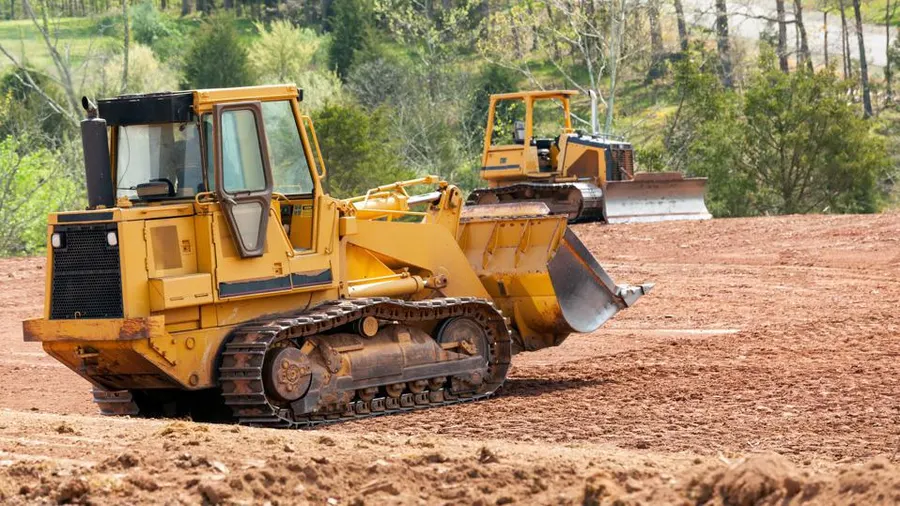
- Bulldozers: Best for large-scale clearing. Cost: $75,000–$150,000.
- Mulchers: Shred vegetation into mulch. Cost: $10,000–$30,000 for attachments.
- Chainsaws: For manual tree cutting. Cost: $200–$1,000.
- Stump Grinders: Remove stumps efficiently. Cost: $5,000–$20,000.
Renting vs. Buying
- Renting: Lowers startup costs. Daily rental fees range from $100–$5,000.
- Buying: Offers long-term savings but requires significant upfront investment.
- Leasing: A middle ground, with monthly payments spreading costs.
Start with a mini excavator or skid steer for versatility. Rent forestry mulchers for specific jobs until you can afford to buy. Work with local dealers for maintenance support.
Maintenance Tips
- Check equipment daily for wear and tear.
- Budget $5,000–$10,000 annually for repairs and maintenance.
- Train operators to handle equipment safely to avoid costly damage.
Land Clearing Training: Building Skills
Land clearing training ensures you and your team operate safely and efficiently. Proper training reduces accidents and improves job quality.
Types of Training
- Equipment Operation: Learn to use excavators, bulldozers, and mulchers. Look for courses at trade schools or equipment dealers.
- Safety Protocols: Train on OSHA regulations, including lockout/tagout and PPE use.
- Environmental Compliance: Understand land clearing regulations and habitat protection.
- Business Management: Take small business courses to learn budgeting, marketing, and customer service.
Where to Find Training
- Trade Schools: Offer heavy equipment operation programs.
- Online Courses: Platforms like SafetyCulture provide land clearing safety training.
- Equipment Dealers: Many offer operator training with purchases or rentals.
- Industry Groups: Join groups like Skid Steer Nation on Facebook to learn from experienced operators.
Ongoing Education
- Stay updated on new land clearing technology, like GPS-guided equipment.
- Attend workshops or webinars on sustainable land clearing practices.
- Train employees regularly to maintain high standards.
Investing in training builds expertise and trustworthiness, key for EEAT compliance and customer confidence.
Marketing Your Land Clearing Business
Effective marketing attracts clients and builds your brand. Focus on semantic SEO to rank higher on search engines.
Build a Professional Website
Create a website showcasing your land clearing services, past projects, and client reviews. Use keywords like “land clearing near me” and “affordable land clearing services”. Include a portfolio of before-and-after photos.
Leverage Social Media
Post regularly on platforms like Facebook and Instagram. Share project updates and eco-friendly practices. Consistent posts (1–2 per week) build engagement.
Network Locally
- Partner with real estate developers and landscaping companies.
- Leave business cards at equipment rental shops.
- Offer discounts to neighbors of current clients to leverage FOMO.
Optimize for SEO
Use long-tail keywords like “how to start a land clearing business”, “land clearing cost per acre”, and “eco-friendly land clearing services” in your content. Write blog posts about land clearing tips or equipment maintenance to boost visibility.
Managing Finances and Operations
Running a land clearing business requires tight financial and operational control.
Financial Management
- Track expenses like fuel, maintenance, and wages.
- Use software for bookkeeping and invoicing.
- Set competitive prices based on local rates. For example, charge $150–$200 per acre for basic clearing.
Operational Efficiency
- Standardize processes for site preparation, debris removal, and grading.
- Schedule jobs to minimize equipment transport costs.
- Conduct regular safety inspections to avoid accidents.
Hiring and Training
- Hire operators with experience in heavy equipment operation.
- Provide ongoing land clearing training to improve skills.
- Ensure all employees follow safety protocols.
Eco-Friendly Land Clearing: A Growing Trend
Eco-friendly land clearing is gaining popularity in 2025. Clients value sustainable practices that minimize environmental impact.
Sustainable Practices
- Use forestry mulchers to recycle vegetation into mulch.
- Preserve mature trees to maintain ecosystems.
- Implement erosion control measures like silt fences.
Benefits
- Attracts environmentally conscious clients.
- Reduces debris removal costs.
- Enhances your reputation as a responsible contractor.
Offering sustainable land clearing services sets you apart in a competitive market.
Challenges and Solutions
Starting a land clearing business comes with challenges. Here’s how to overcome them:
Challenge: High Equipment Costs
Solution: Rent or lease equipment initially. Buy used machinery in good condition to save money.
Challenge: Regulatory Compliance
Solution: Consult a legal professional to navigate land clearing regulations. Get all necessary permits before starting projects.
Challenge: Competition
Solution: Focus on a niche like eco-friendly land clearing or small-scale projects. Build a strong online presence with SEO-optimized content.
Scaling Your Land Clearing Business
Once established, scale your business to increase profits.
Expand Services
- Offer land grading, excavation, or erosion control services.
- Provide post-clearing restoration to repair habitats.
Invest in Technology
- Use GPS-guided equipment for precision and efficiency.
- Adopt software for project management and customer relations.
Build Partnerships
- Work with construction companies and real estate developers.
- Join industry groups to network and find new clients.
Conclusion
Establishing a land clearing business in 2025 is a lucrative endeavor with significant demand and room for expansion. Building a profitable business may be achieved by comprehending land clearing services, adhering to land clearing regulations, controlling land clearing costs, purchasing land clearing equipment, and placing a high priority on land clearing training. To stand out, emphasize SEO-optimized marketing and environmentally friendly procedures. Your land clearing business startup can succeed with careful preparation and commitment, opening doors for both you and your community.
FAQs
1. What is a land clearing business?
A land clearing business removes trees, stumps, brush, rocks, and other obstacles to prepare land for construction, farming, or landscaping. Services include tree removal, stump grinding, brush clearing, and site preparation.
2. How much does it cost to start a land clearing business?
Startup costs range from $5,800 to $13,200, excluding equipment. Costs include permits, insurance, marketing, and training. Renting equipment initially lowers expenses, while buying used machinery can cost $15,000–$150,000, depending on the type.
3. What equipment do I need for land clearing?
Essential land clearing equipment includes:
- Mini excavators ($20,000–$50,000 used)
- Skid steers ($15,000–$40,000 used)
- Bulldozers ($75,000–$150,000)
- Mulchers ($10,000–$30,000 for attachments)
- Chainsaws ($200–$1,000)
- Stump grinders ($5,000–$20,000) Renting equipment is a cost-effective option for beginners.
4. Do I need permits or licenses for land clearing?
Yes, you need land clearing permits to comply with local, state, and federal regulations. These may include land disturbance permits or environmental permits. Some states require a contractor’s license. Check with local authorities to avoid fines.
5. What are land clearing regulations I should know about?
Land clearing regulations ensure safety and environmental protection. Key rules include:
- OSHA standards for equipment safety (e.g., 29 CFR 1910.178 for powered industrial trucks).
- Local zoning laws restrict what land can be cleared.
- Environmental laws protecting wildlife and preventing water pollution. Conduct a site survey to identify protected areas or species.
6. How much do land clearing services cost clients?
Land clearing costs depend on land size, vegetation density, and terrain. Average costs in 2025 are:
- Small projects (less than 1 acre): $500–$3,000
- Large projects (1–5 acres): $1,500–$6,710 per acre
- Forestry mulching: $450 per acre Additional costs like permits ($200–$1,000) or debris removal ($100–$500) may apply.
7. What services should a land clearing business offer?
Common land clearing services include:
- Tree removal services
- Stump grinding services
- Brush clearing services
- Site preparation services
- Debris removal services
- Eco-friendly land clearing (e.g., mulching vegetation) Offering diverse services attracts homeowners, developers, and farmers.
8. Where can I get land clearing training?
You can find land clearing training through:
- Trade schools for heavy equipment operation.
- Online courses (e.g., SafetyCulture for safety training).
- Equipment dealers offering operator training.
- Industry groups like Skid Steer Nation on Facebook. Training covers equipment use, safety protocols, and environmental compliance.
9. Is a land clearing business profitable?
Yes, a land clearing business can be profitable. Small projects yield 20–50% profit margins after expenses. For example, clearing 1 acre at $2,000 with $1,200 in costs nets $800 profit. Scaling to larger projects or offering eco-friendly services increases earnings.
10. How do I market my land clearing business?
Effective marketing includes:
- Building a SEO-optimized website with keywords like “land clearing near me”.
- Posting on Facebook and Instagram to showcase projects.
- Networking with real estate developers and landscaping companies.
- Writing blogs on land clearing tips to boost online visibility.